

For anyone trying to rebuild a heavily damaged credit score or establish credit for the very first time, the standard advice is simple: get a secured credit card. But that advice ignores a major real-world hurdle—most secured cards require you to hand over $200 to $500 upfront as a security deposit. If you are living paycheck to paycheck, locking up several hundred dollars in a bank account just to get a credit line is an luxury you might not afford.
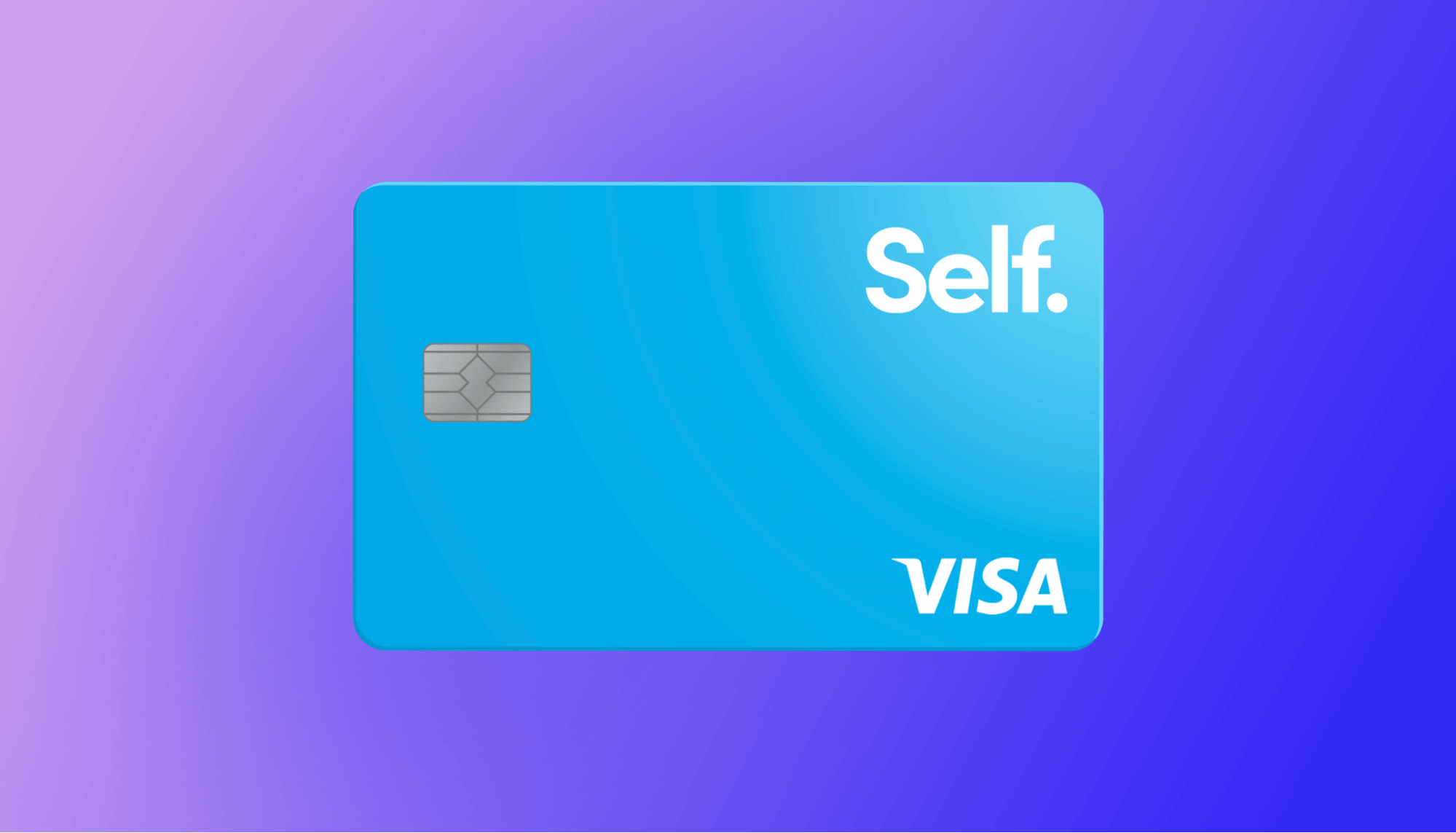
The Self Secured Visa® Credit Card completely flips this model on its head. Instead of demanding cash upfront, it allows you to build your security deposit over time using a forced-savings installment loan.
As a former bank risk analyst who spent years looking at subprime credit-building algorithms, I look closely at the math behind modern fintech products. Self offers an incredibly clever onboarding ramp into the financial system, but it features a dual-layer fee structure that you must track carefully. Here is my unfiltered breakdown of how it works.
The Core Math: The Two-Step Credit Building Engine
The Self Visa is unique because it cannot be applied for directly. It requires you to first open a Self Credit Builder Account.
-
The Credit Builder Account: Self provides you with a small personal loan (typically $500 to $600) but they do not give you the cash. Instead, they lock that money away in a secure Certificate of Deposit (CD). You make fixed monthly payments (such as $25 or $35 a month) for 12 to 24 months. Self reports every single one of these monthly payments to all three major credit bureaus as a positive installment history.
-
The Secured Visa Transition: Once you have made at least three consecutive on-time payments and accumulated at least $100 in “equity” (the cash you’ve paid into your savings account minus fees and interest), you can instantly transfer that equity to become the security deposit for the Self Secured Visa Card.
The real-world scenario: Let’s look at the actual capital flow over your first year of building credit with Self:
-
Administrative Setup Fee: $9.00 (Upfront, non-refundable cost to start the loan)
-
Monthly Savings Payments: $25/month = $300 paid over 12 months.
-
Card Annual Fee: $25.00 (Deducted once you activate the physical Visa card)
-
Your Ending Nest Egg: When the loan period ends, Self unlocks your CD and returns your savings to you, minus the interest they charged for holding the loan.
The Win: You build an active installment loan and a revolving credit card on your credit report simultaneously, giving you a powerful, dual-action credit score boost without needing a lump sum of cash upfront. The Catch: You are paying both an administrative fee, an annual fee for the card, and interest on the underlying credit builder loan. You are essentially paying a premium to borrow and save your own money.
Calculate Your Self Progress and Fees
Building credit with fintech apps requires tracking timelines and interest costs. Use our calculator below to see exactly how your monthly payments translate into card equity, and what your final payout will look like:
Top Rank Custom Finance Tool
Run your actual numbers before applying. Grounded in math, not marketing.
Analytical Breakdown
Enter your variables above and click calculate to view the real-world metrics.
How It Stacks Up Against the Competition
The credit-building space is packed with modern apps attempting to bypass traditional bank credit checks. Here is how Self matches up against its heaviest fintech rival:
My Take: If you already have $200 sitting in an account that you can comfortably part with, the Chime Credit Builder is a cheaper alternative because it carries zero annual fees and doesn’t charge loan interest. However, if your savings are completely depleted and your credit score desperately needs a mix of both installment and revolving credit history, Self is vastly superior because it builds a diversified credit profile that credit score models favor.
The Fine Print: Guarding Your Utilization and Progress
Because the Self Secured Visa relies on your credit builder account equity, your initial credit limit will likely be small—often right at that $100 baseline.
With a $100 credit limit, it is incredibly easy to accidentally damage your credit score via credit utilization. If you spend $50 on gas with your Self Visa, you are utilizing 50% of your available credit line. Even if you pay it off in full every single month, if that 50% balance hits your monthly statement report, it can cause your credit score to temporarily drop.
To avoid this fine-print trap, use the Self Visa strictly for a single tiny transaction every month—like a $5 Spotify subscription—and set up auto-pay. Let the credit builder account do the heavy lifting of showing consistent, on-time payments, and keep the credit card spending near zero.
The Final Verdict: The Self Secured Visa is a brilliantly designed financial bridge for the asset-strapped consumer. It elegantly solves the catch-22 of needing money to build credit by embedding a savings plan into the product itself. While the interest rates and annual fees mean it is a paid tool, the ability to build an installment and revolving line of credit concurrently makes it a highly effective investment for rapid credit recovery.
About the Author: Brandon Hathaway
Brandon Hathaway is a former Wall Street risk analyst who spent his early career auditing consumer credit portfolios for major lending institutions. Realizing how heavily the banking system was tilted against everyday borrowers, he left the corporate sector to advocate for consumers. Brandon founded Top Rank Credit Cards to demystify debt management and help readers navigate the fine print of modern banking. Today, he uses his insider knowledge of banking algorithms to help millions of consumers optimize their credit and escape high-interest debt.