

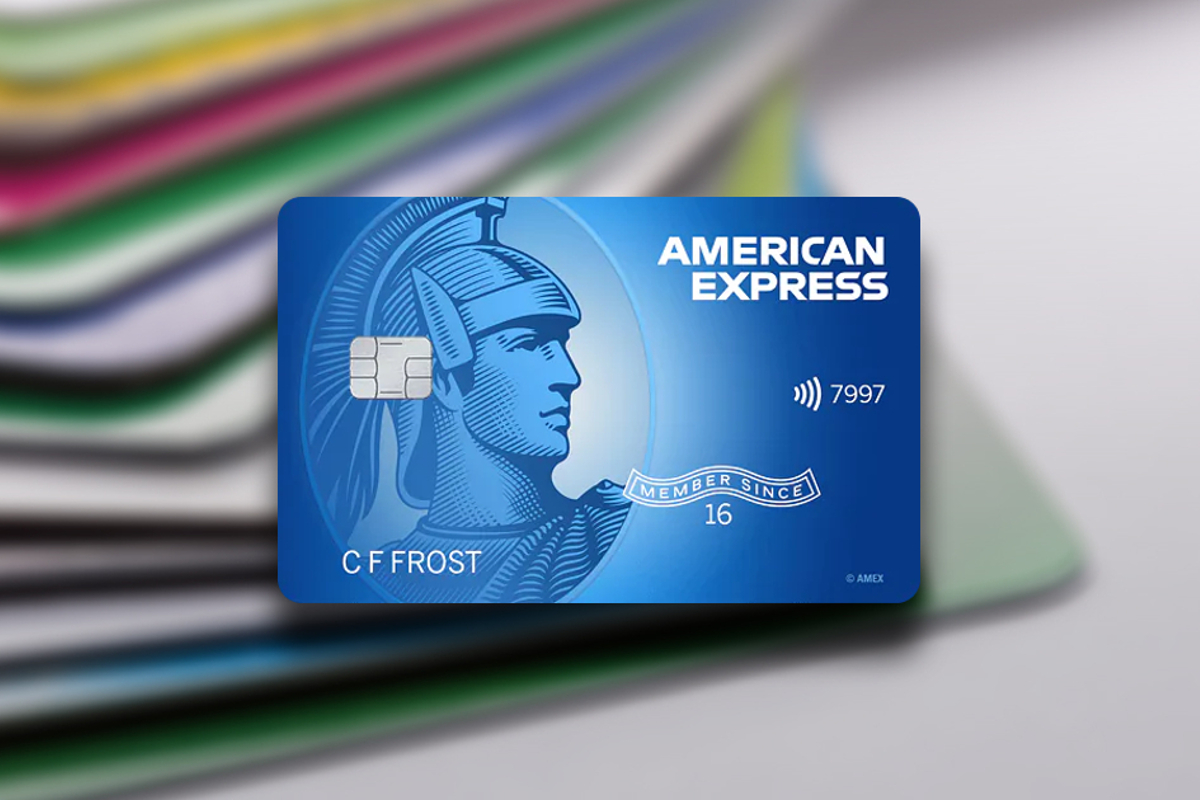
For the average household, the biggest monthly drains on the wallet aren’t high-end luxury travel or five-star dining—they are groceries, gas, and online shopping. While premium credit cards chase jet-setters with high annual fees, the American Express Blue Cash Everyday® Credit Card targets the practical consumer by offering elite-tier rewards right where normal life happens.
With no annual fee, it promises to put significant cash back into your pocket on daily essentials. But as a former bank risk analyst, I know that no-fee cards with high reward percentages always come with structural guardrails. Amex limits your earning potential with strict category caps and specific merchant definitions.
Here is my unfiltered breakdown of the math, the hidden credits, and whether this card deserves a permanent slot in your wallet.
The Core Math: The $6,000 Triple-Threat Cap
The defining feature of the Blue Cash Everyday card is its “triple-threat” 3% cash-back structure. You earn 3% cash back on U.S. supermarkets, 3% on U.S. online retail purchases, and 3% at U.S. gas stations. All other purchases earn a flat 1% cash back.
However, Amex places a strict cap on this generosity: the 3% rate applies only to the first $6,000 spent per year in each separate category. Once you breach that $6,000 threshold in a category, your earning rate for that specific bucket drops to 1% for the rest of the calendar year.
The real-world scenario: Let’s look at how a standard household monthly budget plays out under these caps:
-
U.S. Supermarkets: $450/month ($5,400/year) = $162 cash back. (Safely under the cap, maximizing the full 3%).
-
U.S. Online Retail (Amazon, clothing, etc.): $200/month ($2,400/year) = $72 cash back.
-
U.S. Gas Stations: $150/month ($1,800/year) = $54 cash back.
-
Total Annual Return on Essentials: $288 back on $9,600 of everyday spending.
The Win: Earning nearly $300 a year on your organic baseline spending without paying an annual fee is an incredible return.
The Catch: The $6,000 grocery cap breaks down to exactly $500 a month. If you have a larger family and spend $800 a month on groceries, you will hit the cap by August, meaning your grocery rewards will plummet to 1% for the final four months of the year.
Calculate Your Everyday Cash Back
Don’t let annual caps catch you by surprise. Use our calculator below to input your monthly household expenses and see exactly when you will trigger the 1% drops, along with your projected annual cash back:
Top Rank Custom Finance Tool
Run your actual numbers before applying. Grounded in math, not marketing.
Analytical Breakdown
Enter your variables above and click calculate to view the real-world metrics.
How It Stacks Up Against the Competition
To see if this card fits your shopping habits, let’s compare it directly to its premium, fee-charging sibling, the Blue Cash Preferred:
| Feature | Amex Blue Cash Everyday® | Amex Blue Cash Preferred® |
| Annual Fee | $0 | $95 |
| U.S. Supermarket Rewards | 3% cash back (up to $6,000/year spend) | 6% cash back (up to $6,000/year spend) |
| U.S. Gas Station Rewards | 3% cash back (up to $6,000/year spend) | 3% cash back (unlimited) |
| Online Retail Rewards | 3% cash back (up to $6,000/year spend) | 1% base rate |
| Streaming Services | 1% base rate | 6% cash back (unlimited) |
| Best For | Moderate spenders and heavy online shoppers | Large families with massive grocery and streaming bills |
My Take: The math between these two cards is clean. If you spend exactly $6,000 a year ($500/month) on groceries, the Preferred card nets you $360 back, while the Everyday card nets you $180. The $180 difference easily wipes out the Preferred’s $95 annual fee, leaving you $85 ahead. However, if your budget is split heavily between groceries and online retail shopping (like Amazon or target.com), the Blue Cash Everyday wins because the Preferred card doesn’t offer an online retail multiplier.
The Fine Print: Merchant Codes and Reward Dollars
The biggest frustration users experience with this card stems from how credit card networks classify businesses. Amex is notoriously strict with its merchant coding rules:
-
The Superstore Exception: Wholesale clubs (Costco, Sam’s Club) and superstores (Target, Walmart) do not count as U.S. supermarkets. If you buy your groceries at Walmart, you will only earn 1% cash back.
-
The Online Retail Boundary: To qualify for the 3% online retail rate, the purchase must be made on a website or app from a merchant data system located in the U.S. Buying concert tickets or paying for food delivery online often codes as “entertainment” or “dining” rather than retail, dropping your return back to 1%.
Additionally, your cash back is distributed in the form of Blue Cash Reward Dollars. These cannot be directly deposited into an external checking account as standard cash; they must be redeemed as a statement credit to lower your monthly balance or spent directly at checkout on Amazon.com.
The Final Verdict: The American Express Blue Cash Everyday Card is a premier, low-maintenance asset for the modern household. It offers an incredibly well-rounded defensive shield against inflation on gas, groceries, and e-commerce purchases without the pressure of a recurring annual fee. If you understand the $6,000 caps and do your primary grocery shopping at traditional supermarkets, this card delivers elite-tier value.
About the Author: Brandon Hathaway
Brandon Hathaway is a former Wall Street risk analyst who spent his early career auditing consumer credit portfolios for major lending institutions. Realizing how heavily the banking system was tilted against everyday borrowers, he left the corporate sector to advocate for consumers. Brandon founded Top Rank Credit Cards to demystify debt management and help readers navigate the fine print of modern banking. Today, he uses his insider knowledge of banking algorithms to help millions of consumers optimize their credit and escape high-interest debt.