

===
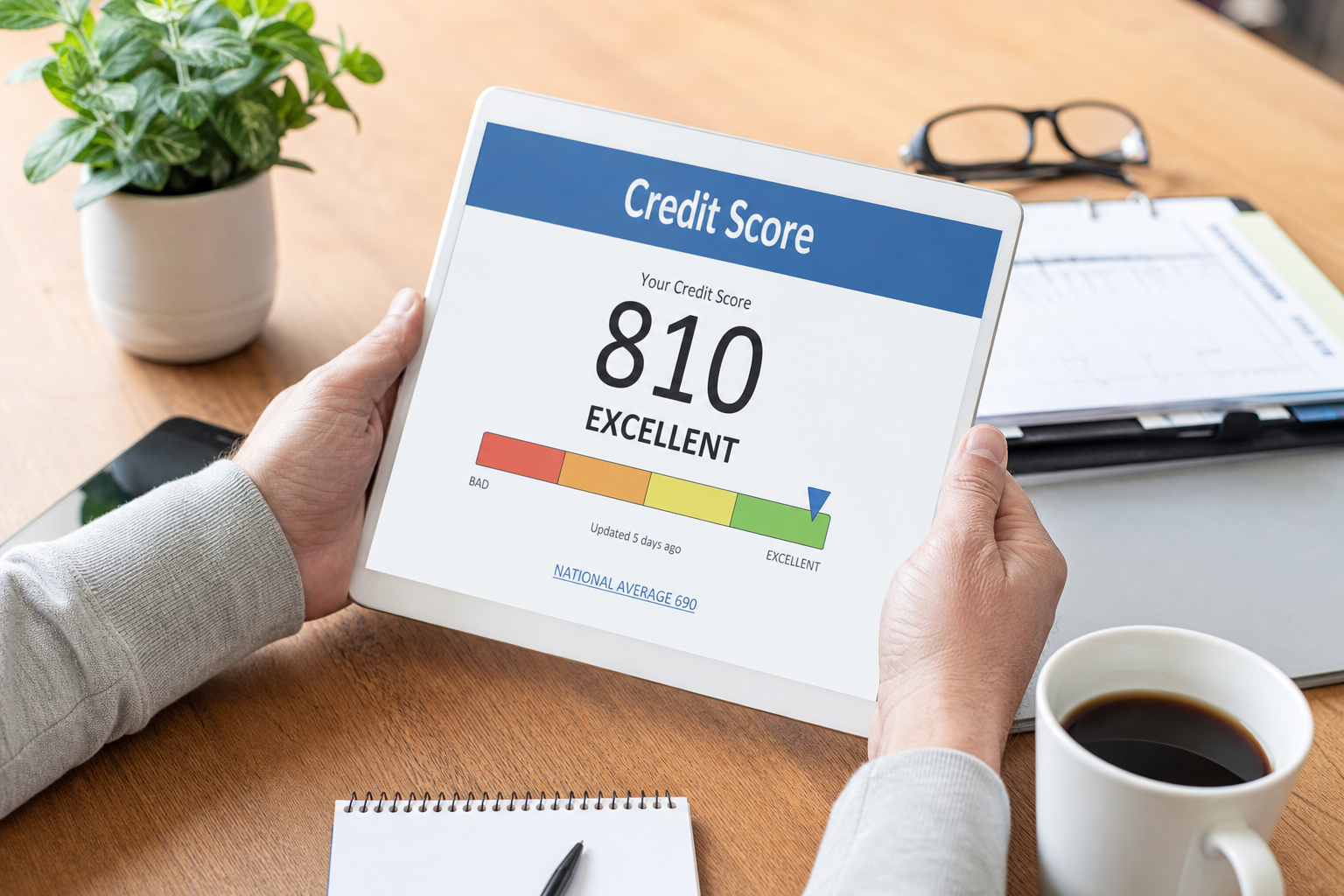
In today’s economic landscape, credit scores are more crucial than ever, especially as credit card interest rates soar above 20%. A strategic approach to debt can significantly enhance your credit profile, particularly through the use of smart debt payoff loans. These loans not only consolidate existing debt but also tackle the notorious 30% credit utilization penalty that plagues many borrowers. By understanding the nuances of fixed-rate personal loans versus revolving lines of credit, you can position yourself to boost your credit score efficiently and effectively.
Maximize Your Credit Score: Smart Debt Payoff Loan Strategies
One of the most immediate impacts on your credit score comes from managing your credit utilization ratio. When you max out your credit cards, you increase your utilization ratio—one of the core components of your score—leading to a potential drop of 100 points or more. Enter debt payoff loans. Fixed-rate personal loans allow borrowers to consolidate multiple high-interest debts into one manageable payment, thereby reducing their overall credit utilization. For example, if you owed $12,000 across three credit cards with an average utilization of 90%, transferring that balance to a personal loan with an APR of 11.5% could lower your utilization to 0%, providing a significant boost to your score.
Strategic debt consolidation isn’t just about lowering monthly payments; it’s about reshaping your cash flow. Fixed-rate loans provide predictability, making it easier to budget. This is crucial, especially in a tight economic environment where rising costs for essentials like groceries and utilities can strain your finances. When you know exactly how much you owe and when, it removes the temptation of overspending that often accompanies revolving credit. Combine that with the psychological benefit of seeing your debt decrease, and you create a powerful incentive to stay disciplined with your financial habits.
Another approach gaining traction in today’s credit landscape is the utilization of 0% intro APR balance transfer credit cards. While these can be tempting, they come with their own set of traps. For instance, if you transfer $12,000 of credit card debt at a 4% fee onto a card with a 0% APR for 18 months, you’ll initially owe $12,480. If you don’t pay off the balance in the promo window, you risk being hit with an APR of 20% or more on the remaining balance. In tight economic conditions, where the Federal Reserve keeps interest rates elevated, this can become a dangerous cycle that erodes your financial stability.
Tackle High Interest: Fixed Loans vs. Balance Transfers Explained
When weighing the options between fixed-rate personal loans and balance transfers, understanding your financial behavior is key. Fixed loans are often better suited for borrowers who prefer stability and have a manageable amount of debt. If you’re facing $12,000 in credit card debt at an average rate of 18%, a fixed loan at 11.5% for 36 months would yield a total cost of roughly $15,900 in repayments. In contrast, a balance transfer with a 3% fee would cost you $12,360 upfront, but you need to ensure you can eliminate the balance before the 0% APR grace period ends.
On the flip side, balance transfers can be a lifeline for high-FICO borrowers who can commit to aggressive payments. If you can pay off $12,000 in 12 months using a 0% card, your cost remains at $12,000, but you must pay at least $1,000 a month. This is only feasible if you can significantly cut down on your other expenses or earn extra income. The risk, however, lies in potential overspending or unexpected expenses that could derail your plan, leading you back into high-interest debt.
Cash-flow restructuring through these different strategies can further enhance your financial position. For example, if you’re currently in a cash crunch but have a stable income stream, a fixed-rate personal loan can provide immediate relief while maintaining your credit standing. Conversely, if you’re disciplined and confident in your ability to pay off balances quickly, a balance transfer can offer a zero-interest reprieve that alleviates pressure without locking you into a longer repayment timeline.
===
The choice between fixed-rate personal loans and balance transfers is highly contextual, depending on your financial behavior and current debt levels. A fixed-rate loan offers a guaranteed path to debt freedom and a cleaner credit report, while a well-executed balance transfer can save you interest if you’re disciplined. The Bottom Line: Assess your financial situation, calculate potential costs carefully, and choose the option that aligns with your ability to manage debt effectively. Here’s a checklist to get started:
- Evaluate Current Debt: List all debts, interest rates, and monthly payments.
- Calculate Utilization: Determine your current credit utilization ratio.
- Choose a Strategy: Decide between a fixed-rate loan or balance transfer based on your comfort with discipline and repayment capacity.
- Assess Cash Flow: Make sure you can handle either option without straining your budget.
- Execute Quickly: Apply for the selected product and start paying down your debt.
By taking these actionable steps, you’ll be on your way to enhancing your credit score and achieving financial stability.