

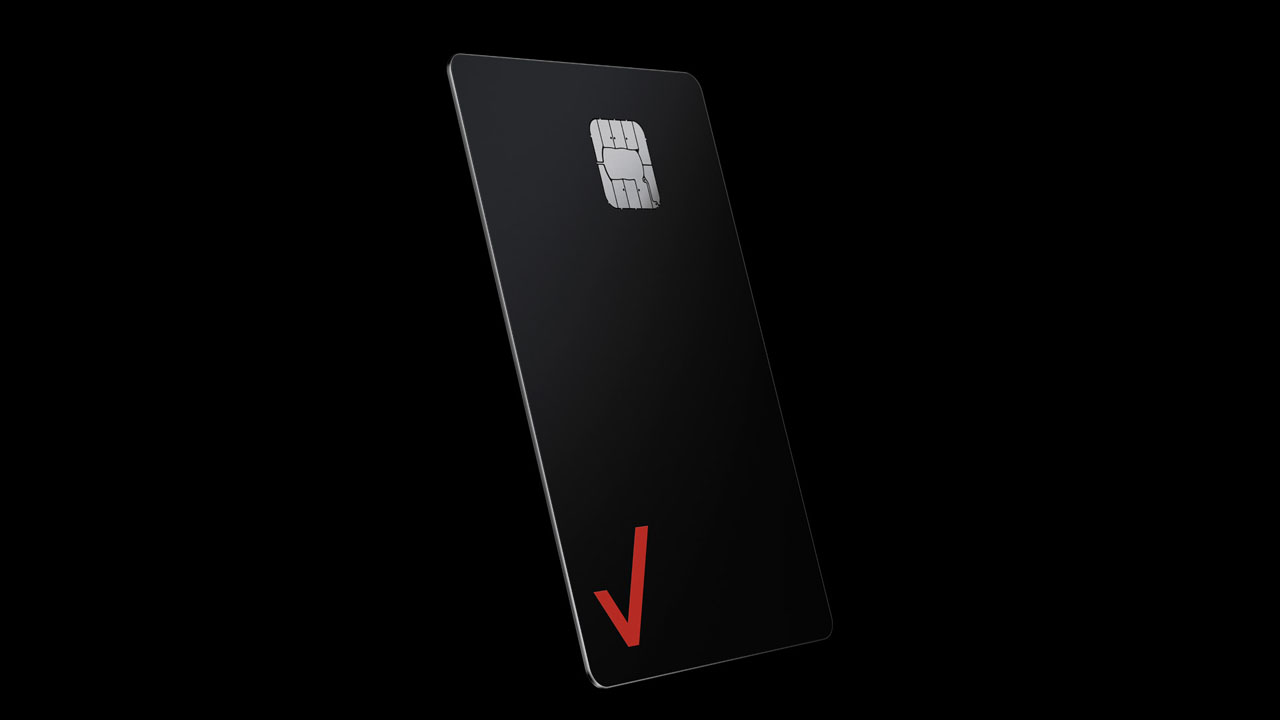
Cell phone bills are one of the most stubborn fixed costs in any household budget. While most rewards credit cards offer generic points or statement credits, the Verizon Visa® Card takes a highly targeted approach: it is explicitly designed to slash your monthly wireless bill.
For loyal Verizon Wireless customers, this co-branded card (issued by Synchrony Bank) punches far above its weight class, offering cash-back rates that rival premium cards carrying hefty annual fees. But because its rewards are locked inside the Verizon ecosystem, it isn’t for everyone. Here is our comprehensive analysis of whether you should make room for it in your wallet.
The “Verizon Dollars” Ecosystem Explained
Before examining the earning rates, it is crucial to understand how you get paid. This card does not dispense traditional cash back. Instead, you earn Verizon Dollars.
Each Verizon Dollar is equivalent to $1 USD, but they can only be redeemed within the Verizon ecosystem. You can apply them directly to your monthly wireless or Fios bill, use them to purchase a new smartphone or accessories, or redeem them for travel and gift cards through the Verizon Up program. While this lacks the supreme flexibility of standard cash back, effectively lowering your fixed monthly utility bills is financially identical to keeping cash in your bank account.
A Surprisingly Powerful Earning Structure
The most compelling reason to carry the Verizon Visa® Card is its aggressive earning rates on everyday, essential spending. Without paying any annual fee, cardholders earn:
- 4% back on Groceries and Gas: This is exceptional. Very few no-annual-fee cards offer a 4% return on the two largest household spending categories.
- 3% back on Dining: This includes sit-down restaurants, takeout, and eligible delivery services.
- 2% back on Verizon Purchases: This covers your monthly bill, new device purchases, and accessories bought directly from Verizon.
- 1% back on All Other Purchases.
To put this into perspective: A household spending $600 a month on groceries and $200 a month on gas would generate $32 in Verizon Dollars every single month—effectively wiping out a significant portion of a single-line phone plan.
The Hidden Superpower: The Auto-Pay Discount
Beyond the percentage-based rewards, the card’s true superpower lies in its auto-pay capabilities.
Verizon generally requires customers to use a debit card or a direct bank account transfer to qualify for its $10-per-line monthly auto-pay discount. Using a standard credit card usually voids this discount. However, the Verizon Visa® Card is the only credit card that qualifies for the auto-pay discount. If you have a family plan with four lines, switching your payment method to this card saves you $40 a month ($480 a year) before you even factor in the rewards earned from daily spending.
(Note: Always review the official Verizon Visa terms to confirm your specific wireless plan is eligible for the auto-pay discount.)
The Fine Print: Fees and APR Restrictions
While the earning potential is high, consumers must navigate a few strict parameters:
- No Annual Fee & No Foreign Transaction Fees: The card is entirely free to hold and won’t penalize you for using it while traveling abroad.
- Exclusive to Verizon Customers: You must be an Account Owner or Account Manager on a post-paid Verizon Wireless account to apply. If you cancel your Verizon service, you must forfeit your card and any unredeemed Verizon Dollars.
- High Variable APR: As of 2026, the ongoing variable APR ranges from 24.24% to 31.24%, depending on your creditworthiness. Because there is no 0% introductory financing offer, carrying a balance will instantly negate the value of any Verizon Dollars you earn. This card must be paid in full every month.
Who Should Actually Get This Card?
The Verizon Visa® Card demands commitment. If you are someone who frequently switches carriers to chase the latest promotional phone deals, this card is a trap; leaving Verizon means losing your accumulated rewards.
However, if you are firmly entrenched in the Verizon network, have a multi-line family plan, and want a single card to maximize your grocery, gas, and dining purchases, it is an absolute powerhouse. It acts as an automatic, ongoing discount on an unavoidable monthly bill, making it one of the most practical co-branded store cards on the market today.
Editorial Disclosure: This content is not provided or commissioned by any credit card issuer. Opinions expressed here are the author’s alone, not those of any credit card issuer, and have not been reviewed, approved, or otherwise endorsed by any issuer.